Creativity, constraint, and the slow becoming of a video game composer
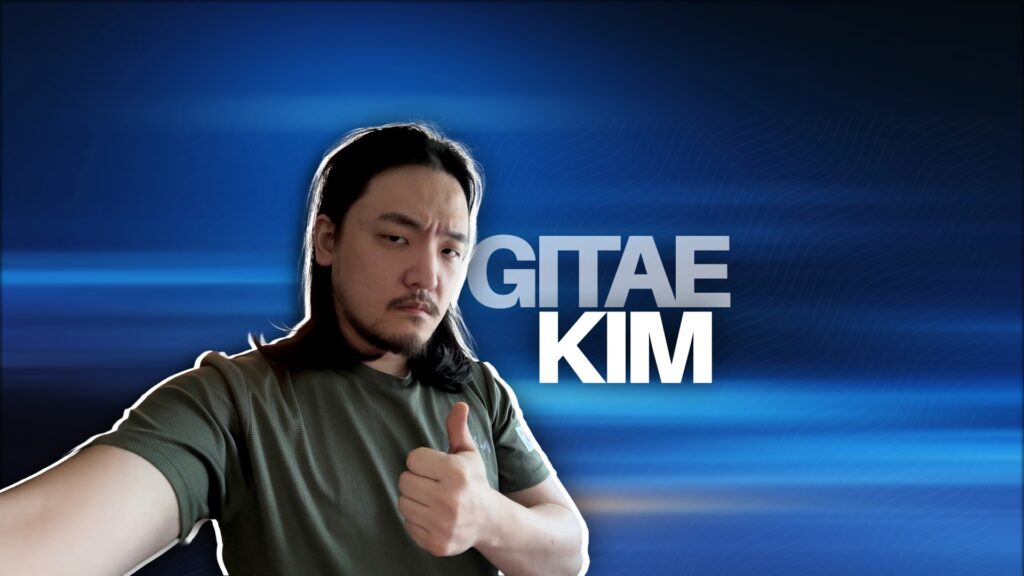
When I finally sat down to record a long-form conversation with Gitae Kim — also known as Gimgi — it felt overdue.
We had technically “met” years earlier at Tokyo Game Show, our booths sitting almost mockingly close to one another, yet never exchanged more than a few words. Like many meaningful creative encounters, the real conversation happened later, quietly, when time finally allowed for depth rather than proximity.
What unfolded over nearly five hours was not just a discussion about game music, but a candid exploration of discipline, sensitivity, physical limits, creative obsession, and the strange internal pressure that drives artists to make things long before they know why.
Learning to relax when your mind won’t let you
We begin, fittingly, with meditation — or rather, the inability to do it “properly.”
For Gitae, stillness isn’t about transcendence; it’s about survival. The attempt to not think becomes its own mental exercise, revealing something many creatives quietly recognize: the mind doesn’t shut off just because you ask it to.
“It’s really hard for me to actually not think of anything. I don’t think I’ve ever blanked out.”
That constant mental activity — the paranoia, the over-analysis — isn’t an outlier among musicians. It’s often the same sensitivity that enables depth of perception, musical nuance, and emotional translation.
Relaxation, then, becomes a skill to train rather than a state to reach.
Forced discipline and “making a sound” in the Korean army
Structure arrived for Gitae not by choice, but by law.
Mandatory military service in South Korea isn’t a formative metaphor — it’s a literal interruption of life. And for Gitae, it meant being placed into the army band without knowing how to play the required instruments.
No long training period. No gentle onboarding.
Just: make it work.
“If you think it’s impossible, it’s just possible. You’re just gonna have to do it.”
Within two months, he learned to produce usable trumpet parts — not because he felt ready, but because readiness was irrelevant. The army didn’t care about identity or preference. It demanded output.
Paradoxically, that environment planted something enduring: the ability to treat oneself as an instrument, not a fragile emotional center.
“Sometimes you need to look at yourself as a tool, not this super sensitive emotional ball of creation.”
It’s not a romantic lesson — but it’s one that later allowed him to deliver music under pressure.
Hyperfocus, time blindness, and creative self-damage
That same capacity to lock in becomes dangerous when unchecked.
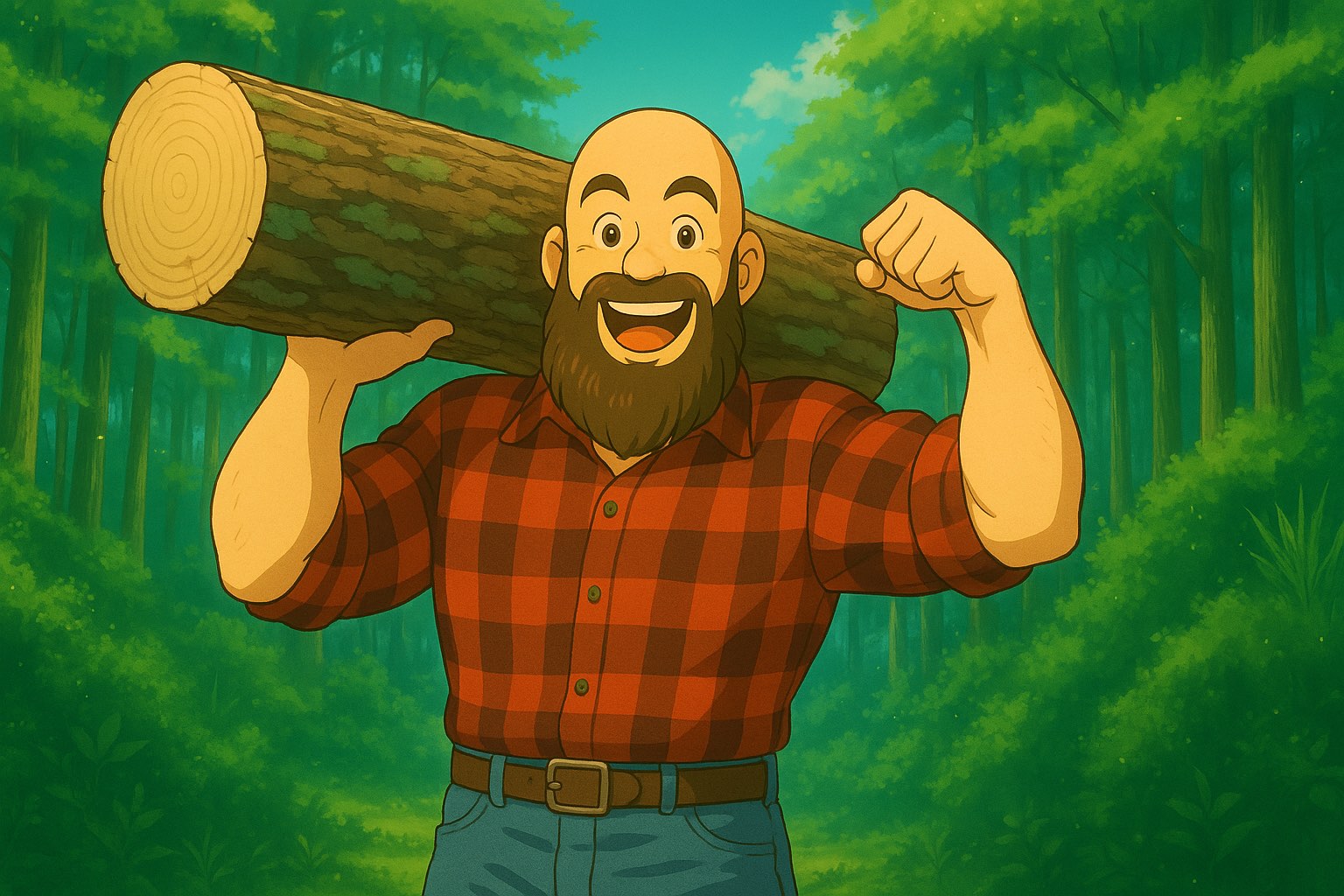
Gitae describes a familiar pattern: sitting down to work, entering flow instantly, and resurfacing hours later — dehydrated, unfed, unaware of time passing. During the production of Ogu and the Secret Forest, this tendency escalated into physical consequences.
“That broke me. While I was working on Ogu, I think I overworked myself.”
Even visual timers — bright, obvious ones — disappeared from perception once the music took over.
This is one of the uncomfortable truths of creative work: flow doesn’t come with built-in safety mechanisms. The same state that produces meaningful art can quietly erode the body carrying it.
When the body pushes back
For both of us, the conversation turns physical.
Herniated discs. Chronic pain. Nervous systems stuck between fight and flight. Creative work, done obsessively and immobile, leaves marks.
The myth of “non-physical” creative labor collapses quickly when you realize how much of it happens through the body — posture, breath, tension, repetition.
Standing desks, ergonomic experiments, absurd chairs, saddle seats (mercifully abandoned) — all attempts to keep creating without breaking.
The takeaway isn’t gear advice. It’s more fundamental:
You don’t get infinite attempts at ignoring your body.
From slow internet to first instruments
Gitae’s musical origin story doesn’t begin with intention — it begins with boredom.
Moving from South Korea to New Zealand as a teenager meant losing fast internet and online games. In their place: a neglected synthesizer in a host family’s house.
No lessons. No theory. Just melodic instinct and trial-and-error.
“I didn’t know how to play it. I just had melodic ideas.”
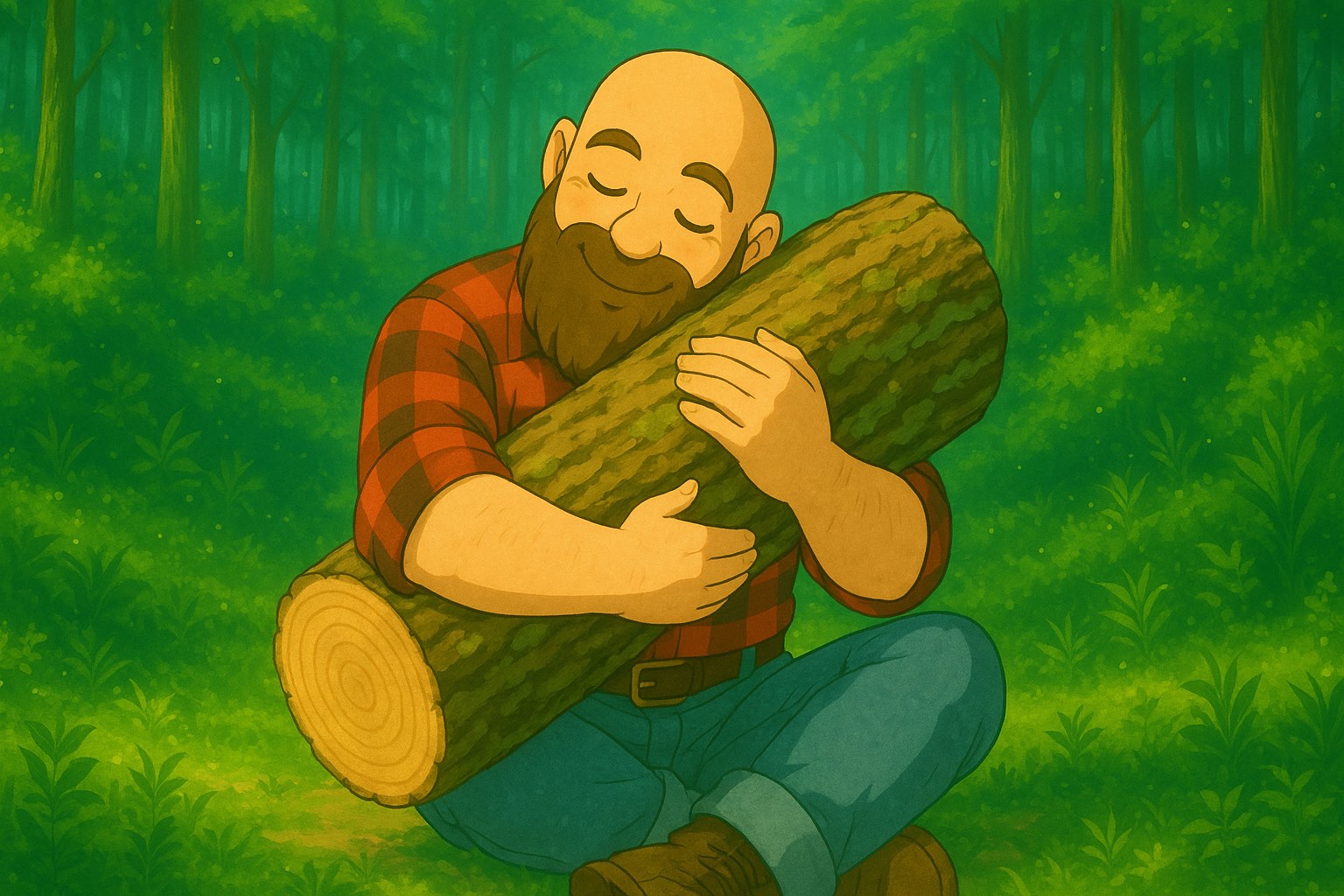
Piano came first. Guitar followed — inspired by MTV, rock bands, distortion, and volume. Later, a university band with a deliberately ironic name: Tamarin, a tiny mustached monkey making heavy music.
Importantly, Gitae never played covers.
“I always wanted to make my own songs and perform them.”
Originality wasn’t a strategy. It was a compulsion.
Technology as freedom, not polish
Music technology didn’t enter Gimgi’s life as ambition or career planning. It entered as access.
A composing club at university. A shared room. An aging computer. An early DAW. What mattered wasn’t polish, but the sudden realization that ideas no longer had to stay trapped in the head. The DAW wasn’t a studio — it was a door.
“Whatever you think of, you can make.”
That sentence isn’t about power or professionalism. It’s about permission. The permission to experiment without knowing the rules, to stay late not because of deadlines but because curiosity refuses to let go. Gimgi talks about sleeping in the club room simply because leaving felt harder than staying. There was always one more idea to try.
From there came synthesis, EQ, and self-taught production — followed by detours through rock, electronic music, R&B, and hybrids that didn’t need a name. None of it was strategic. There was no master plan. Just curiosity, and a growing need to understand how sound actually works.
Video game music: not a straight line, but a door left open
Despite loving game music as a teenager, Gitae wasn’t actively pursuing the industry when Ogu entered his life. There was no long-term plan to become a game composer, no carefully built portfolio aimed at studios.
The opportunity came through a personal connection — a former school contact — not a website, a pitch deck, or a cold email.
“How the hell do you get into that business? I had no idea.”
What he did have was a kind of readiness — emotional, technical, and conceptual — built from years of experimenting without a genre label. But there was one thing he had never properly confronted.
Orchestral writing.
“That was the boss monster I hadn’t defeated.”
Rather than treating orchestral music as something sacred or unreachable, he approached it the same way he had approached everything else: as a problem to be understood. His time in the army band had given him a basic, physical understanding of how brass and winds behave. His production background gave him structure, layering, and form. And video games gave him context — music that serves a world rather than demands attention.
He didn’t wait to feel qualified. He worked within limitations — affordable libraries, partial live recordings, intuition over theory — and built a system that made sense to him. The result wasn’t orchestral music for the sake of orchestration, but music that functioned emotionally and structurally inside a game.
Leitmotifs, reversals, and hidden structure
The Ogu soundtrack is deceptively gentle on the surface. Underneath, it’s built with deliberate structure.
Each region has its own motif. As the game progresses, those ideas don’t disappear — they accumulate. Climactic moments weave earlier themes together, giving the player a sense of continuity even if they can’t consciously name it. By the time the story reaches its peak, the music feels familiar and earned rather than new and attention-grabbing.
Even the final boss music hides a quiet detail: the main theme is reversed and embedded into the score.
“If you play it backwards, it plays the main theme.”
No one asked for this, and most players will never notice it consciously. But that doesn’t make it meaningless. It makes it functional. The music carries memory without demanding recognition. It reinforces the feeling that everything belongs to the same world, the same journey.
Real instruments, limited tools, honest choices
The production reality was modest.
Strings came from affordable sample libraries. Flutes and ethnic instruments were often recorded live. Vocals — including high, otherworldly textures — were largely Gitae himself, processed and layered.
“Unless it sounds good to me, I’m not giving it to somebody.”
This internal bar mattered more than external validation. In the end, the responsibility for deciding whether something is ready to be released always rests with you — not with the price tag on a sample library or virtual instrument. A good sound is a good sound, regardless of where it comes from.
The quiet through-line
What emerges across hours of conversation is not just a story of circumstance, but a clear creative philosophy — one built through experience, limits, and deliberate practice.
Sensitivity is not weakness. It’s the raw material of musical judgment.
Discipline doesn’t suppress creativity. It gives it structure, consistency, and a way to show up on demand.
Technology doesn’t replace expression. In skilled hands, it becomes a precise tool for translating instinct into sound.
Health isn’t separate from art. It’s what makes sustained, high-level work possible over time.
And careers aren’t built through visibility alone, but through trust — the kind earned by delivering work that serves the project rather than the ego.
Gitae’s strength lies in how these ideas come together in practice. He doesn’t approach music as a performance of cleverness, but as a responsibility. Structure matters. Restraint matters. Understanding the role of music inside a larger world matters. That’s why his work holds together — not because it demands attention, but because it supports meaning.
As he puts it:
“If it’s the best sounding thing to me, then it’s going to be alright for somebody else.”
For composers trying to find their footing, that may be the most useful lesson of all. You don’t need perfect tools, complete certainty, or permission from the industry. You need judgment, curiosity, and the willingness to step forward when the door opens — even if you’re still figuring things out.
Craft grows by doing the work. Trust follows consistency. And clarity comes from listening closely — not just to music, but to what the project actually needs.
That’s the quiet strength behind Gitae’s music — and why it works.
Want the Full Episode?
🔴 Youtube: https://youtu.be/vG5bUlSEzA4
🟢 Spotify: https://open.spotify.com/episode/4R4grSSLeDE538wSbWR5T9?si=bUMnotPjQAKIxpHUaSrUCQ
🟣 Apple Podcasts: https://podcasts.apple.com/ca/podcast/making-noise-until-it-works-gitae-kim-aka-gimgi-on/id1528017679?i=1000743969181